Delivered minutes after the OBR downgraded growth forecasts this year from 2% to 1%, yesterday’s Spring Statement was about restoring some economic credibility and getting Labour’s growth plan back on track.
Chancellor Rachel Reeves struck a defiant tone as she announced cuts to welfare and departmental spending alongside major commitments to housebuilding, skills, defence, and digital transformation.
For most of you, this statement won’t be a surprise, but there are some important developments worth looking at, especially around public investment, planning reforms, and long-term economic direction.
We’ve broken down the key takeaways below:
Economic outlook – A challenging landscape for growth
It’s been a tough few months for the economy, and the latest figures reflect ongoing uncertainty. In its latest update published yesterday, the Office for Budget Responsibility (OBR) halved its growth forecast for 2025 from 2% to just 1%.
The downgrade is driven by a mix of challenges, including higher energy prices, increasing bond yields, weaker productivity, and short-term stagnation. And this is against a backdrop of global uncertainty and rising debt servicing costs.
However, it’s not all bad news. The OBR does expect growth to gradually recover over the next few years. How do they expect this to happen? Through the easing of inflation, lower interest rates, and long-term investments in planning reforms and infrastructure.
R&D Tax Relief – Little change, but consultations launched
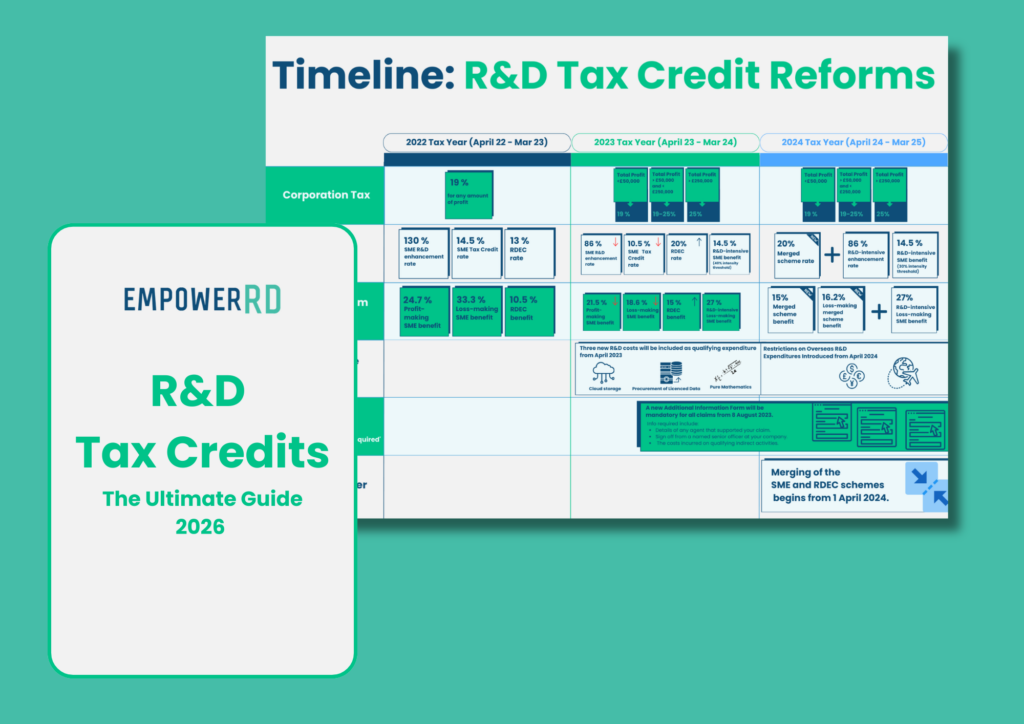
There were no major changes to R&D tax relief in the Spring Statement, but the government has launched a consultation on advance clearances for R&D tax claims, which could bring more reforms to the scheme in the next few years.
What is the aim of this new consultation? To reduce error and fraud, increase certainty for businesses and support legitimate claimants so they can plan and invest in R&D with more confidence.
In recent years, HMRC has ramped up its efforts to tackle fraud and error by expanding its compliance team to around 500 staff and increasing scrutiny of claims. As a result, approximately 1 in 5 claims are now investigated, leading to delays and uncertainty for businesses.
The consultation proposes changes to the unpopular Advance Assurance process, including mandatory pre-approval for some sectors and voluntary clearances for high-growth, innovative companies. A minimum expenditure threshold (possibly £25,000) is also being considered to filter out smaller, lower-risk claims.
At EmpowerRD, we see potential in these proposals to bring more clarity and stability to the scheme. However, it must be implemented in a way that balances oversight with accessibility, ensuring that the process remains efficient and doesn’t unintentionally delay genuine innovation. We’ll be reviewing the consultation in full and what it means for our clients and the future of the scheme.
Public sector productivity and AI investment
Since their election in July, improving the efficiency of public sector services has been a top priority. The announcement of a new £3.25 billion Transformation Fund marks a significant step towards helping this become a reality.
The specific aim of this fund is to modernise public services, with £42 million allocated to three pioneering AI projects. For tech and AI businesses in the UK, this is an encouraging sign.
Closing the tax gap
The government are increasing efforts to close the tax gap. This includes expanding HMRC’s compliance and debt management teams, modernising how third-party data is used and increasing penalties for late payments. These measures are expected to bring in an extra £7.5 billion by 2029-30.
We think this is good news as closing tax evasion means a fairer playing field for businesses and stronger public finances and we think some of this money could be used to support SMEs.
Investment and growth Initiatives
To kick-start the economy and address the slow growth figures, the government have announced an extra £13 billion of capital spending.This includes £625 million to address the construction skills shortage, which is essential for delivering on infrastructure and housing targets. £2 billion has also been allocated to help accelerate the build of 18,000 social and affordable homes which is a clear commitment to investment led growth.
If you have any questions from the Spring Statement, please don’t hesitate to get in touch with one of our team today.